
The Role of Color in Casino Design
Color plays a significant role in influencing emotions and behavior, making it a critical aspect of casino design. Many casinos utilize warm colors like red and gold, which are known to evoke feelings of excitement and energy. The vibrant hues are strategically placed around gaming areas to enhance the overall atmosphere and encourage patrons to stay engaged longer. For those looking to enjoy their time, considering the best online pokies australia payid can also add to the experience. Additionally, color can affect perception; for instance, the use of bright colors can make spaces feel more open and inviting, countering any feelings of confinement that might arise in a bustling casino environment.
Moreover, different colors convey varying meanings across cultures, adding an extra layer of complexity to their use in casino design. For example, while red is often associated with luck and prosperity in many cultures, it may signify danger or caution in others. This cultural context must be taken into account to create an inclusive atmosphere that resonates with a diverse clientele. By understanding how specific colors affect mood and behavior, casino designers can craft environments that maximize player retention and spending.
A well-designed casino utilizes a palette that not only enhances the aesthetic appeal but also creates a psychological backdrop that subtly influences patron behavior. The strategic use of color can lead to longer stays and increased satisfaction among visitors. From the moment guests enter, the color scheme sets expectations and moods, reinforcing the excitement and allure that casinos strive to provide. Ultimately, the right colors can transform an ordinary gaming space into an immersive experience that encourages exploration and interaction.
Soundscapes and Their Impact
Sound design is another crucial element in the psychological fabric of casino environments. The sounds of coins clinking, slot machines spinning, and cheerful jingles are all carefully curated to create an atmosphere that is both thrilling and comforting. These auditory cues serve to reinforce the idea that winning is possible, maintaining a high energy level that encourages players to continue gaming. The use of sound can also mask less desirable noises, like the hum of conversation or the sounds of footsteps, making the environment feel more engaging and less chaotic.
Research has shown that certain sound frequencies and patterns can have specific effects on human emotions and behaviors. For instance, low-frequency sounds can induce feelings of anxiety or tension, while higher frequencies tend to promote feelings of happiness and excitement. Casinos often employ a mix of both to craft an engaging auditory backdrop that stimulates players’ emotions without overwhelming them. This fine balance maintains a lively atmosphere while keeping patrons comfortable and focused on the games.
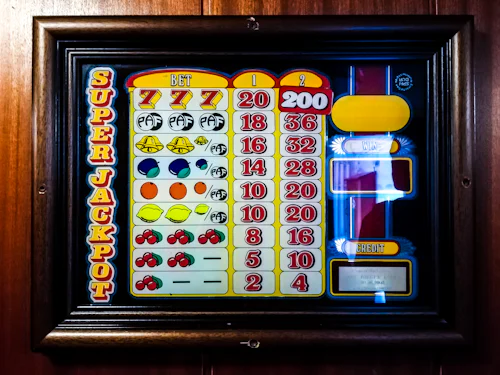
Furthermore, the use of ambient sounds and music can enhance the overall experience of gamblers, leading to longer play times and increased spending. Many casinos curate playlists that can be adjusted based on the time of day or the crowd present, ensuring that the auditory experience remains fresh and enticing. By thoughtfully considering sound as an integral part of design, casinos create a dynamic atmosphere that captivates players and keeps them returning for more.
Spatial Layout and Flow
The spatial layout of a casino is designed with intention, guiding patrons through various gaming areas and services. The pathways between different sections are often wide and open, encouraging exploration while preventing overcrowding. Effective spacing helps to create an environment that feels both expansive and accessible, allowing visitors to navigate the complex without feeling lost or overwhelmed. Designers often favor a flow that leads guests through high-impact areas—like popular gaming tables or high-stakes slots—maximizing exposure to potential high-revenue zones.
The psychology behind how people move through spaces is crucial for casino designers. The placement of gaming machines and tables can significantly influence player behavior. For instance, clustering popular games allows for natural congregation, which can lead to increased social interaction among players. This sense of community can enhance the gaming experience, drawing in more patrons who enjoy the social aspects of gambling. Conversely, isolated game areas might deter players from engaging for fear of being separated from the collective excitement.
Moreover, casinos often incorporate strategic visual distractions throughout the layout. Eye-catching decor, engaging art installations, and entertaining displays serve as focal points that encourage movement and exploration within the space. By breaking up flat expanses, designers create engaging pathways that lead players deeper into the casino, prolonging their visit and heightening their overall experience. A well-considered spatial layout not only enhances the aesthetic appeal of a casino but also plays a significant role in shaping the behaviors and interactions of its patrons.
Lighting Strategies in Casinos
Lighting is a powerful psychological tool employed within casino design, influencing mood, behavior, and even the perception of time. Casinos often utilize a combination of ambient, task, and accent lighting to create a layered sense of illumination. Bright lights are typically used over gaming areas to draw attention to specific machines or tables, while softer lighting can create cozy, inviting atmosphere in lounge or dining areas. This careful orchestration ensures that players feel energized yet comfortable as they navigate the casino.

The effects of lighting go beyond aesthetics; they can profoundly impact a player’s experience. For example, well-lit areas may signal excitement and alertness, prompting individuals to engage more actively with their surroundings. Conversely, softer, dimmer lighting can create a sense of intimacy, encouraging patrons to relax and savor their time. The use of lighting can also help optimize visibility without straying into glare, allowing players to focus on their games without distraction.
Additionally, casinos often leverage the concept of “time distortion” through lighting design. By minimizing natural light and using artificial illumination strategically, casinos can create an environment where time seems to pass differently. This phenomenon can lead to longer stays, as players often lose track of time while engrossed in gaming. The thoughtful manipulation of lighting not only enhances the visual appeal of the casino but also plays a crucial role in maintaining the immersive experience that keeps patrons engaged and entertained.
The Influence of Website Design on Perceptions
In the digital age, a casino’s online presence and website design significantly influence potential visitors’ initial perceptions. An engaging and user-friendly website can act as a virtual extension of a casino’s physical environment. When well-executed, the design can evoke feelings of excitement and anticipation, mirroring the thrill of stepping into a physical casino. Elements such as color schemes, imagery, and layout should align closely with the casino’s branding to create a cohesive experience for users.
The psychology of website navigation is also crucial for casinos looking to attract and retain visitors. Intuitive navigation encourages users to explore various offerings without frustration. Clear calls to action, engaging visuals, and appealing content all contribute to a positive user experience, making the transition from online browsing to physical visitation smoother. A well-structured website can create a sense of trust and professionalism that encourages potential guests to choose that casino over competitors.
Moreover, the incorporation of engaging elements like promotional banners, videos, and interactive features can capture the attention of users, keeping them on the site longer. This can create a sense of familiarity and desire, making it more likely that they will visit in person. Ultimately, a well-designed website serves as a critical tool in shaping perceptions and experiences, intertwining the online and offline elements of the casino’s brand to create a compelling narrative that resonates with visitors.
